The Future of Mobility in India: How Jio-bp Is Transforming the Modern Road Trip
India’s mobility landscape is changing faster than ever. Rising vehicle ownership, expanding highways, rapid urban growth, booming last-mile delivery services, and the national push toward cleaner energy are reshaping how people travel and how businesses move goods.
Traditional fuel stations are no longer enough.
Today’s consumers expect speed, convenience, digital access, better fuel efficiency, and multiple energy options in one place. This is where Jio-bp is creating a major shift. As highlighted in the original discussion around Jio-bp’s transformation , the company is moving beyond the old petrol pump model and building a smarter mobility ecosystem for India.
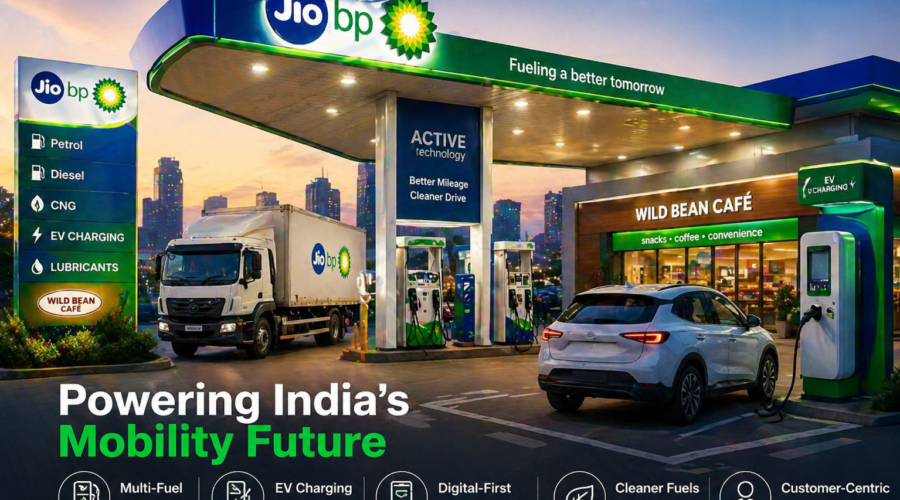
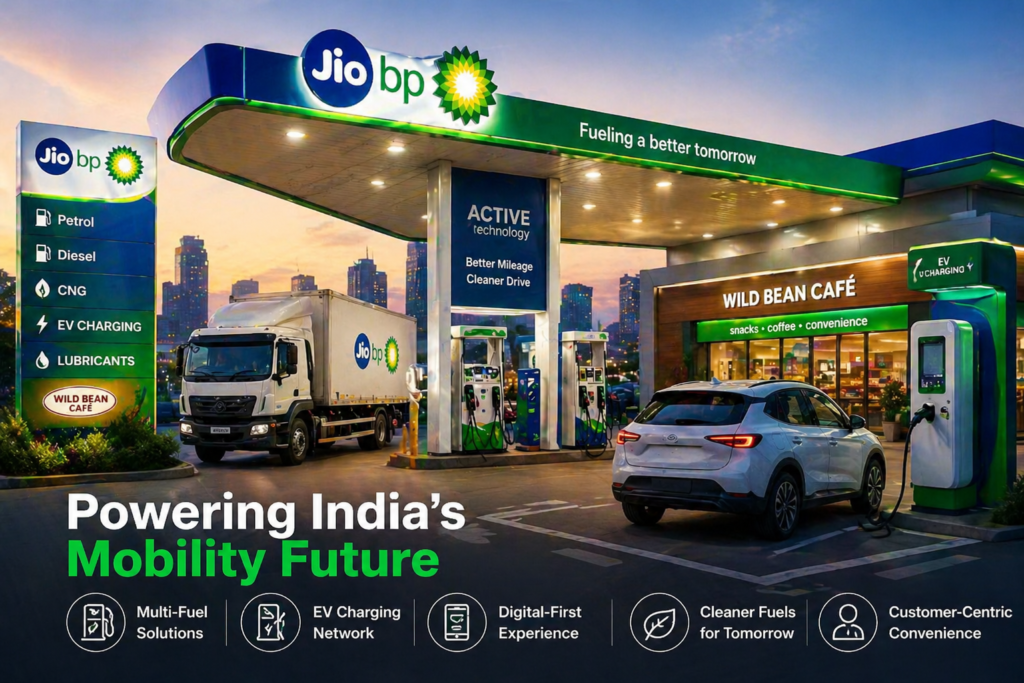
Instead of simple fuel stops, Jio-bp is developing modern “Mobility Stations” designed for the future of transportation.
From Petrol Pumps to Smart Mobility Stations
Jio-bp, the joint venture between Reliance Industries Limited and bp, is redefining how India experiences road travel.
Its Mobility Stations are not just places to refuel vehicles—they are multi-service hubs where customers can access:
- Petrol and diesel
- EV charging
- CNG and cleaner fuels
- Convenience stores and cafés
- Loyalty rewards
- Digital payment systems
- Future-ready options like LNG and hydrogen
This approach creates a complete travel experience instead of a simple fuel transaction.
Understanding India’s Two-Speed Mobility Reality
India’s transportation needs are highly diverse. A long-distance truck driver on a national highway has very different needs compared to an urban EV rider in a metro city.
Jio-bp addresses this through a practical “two-speed” mobility strategy.
Long-Haul Transport: Diesel Still Matters
Despite the rise of electric vehicles, diesel continues to power India’s logistics backbone. Freight transport, construction, mining, and interstate trucking still depend heavily on diesel.
Instead of ignoring this reality, Jio-bp focuses on improving diesel performance.
Its advanced fuel technology is designed to improve mileage, reduce engine wear, and lower operating costs for commercial vehicle owners. This becomes especially valuable for fleet operators where even small efficiency improvements directly impact profits.
The goal is not just selling fuel—it is helping businesses operate smarter.
Short-Haul Mobility: The Green Shift Is Here
Urban transport is moving in a different direction.
Ride-sharing services, delivery fleets, passenger cars, and two-wheelers are increasingly shifting toward:
- Electric Vehicles (EVs)
- CNG
- Compressed Biogas (CBG)
Jio-bp is investing heavily in low-carbon mobility solutions while maintaining flexibility for future changes.
This balanced strategy reflects an important truth: India’s future is multi-fuel, not single-fuel.
Technology and Trust at the Core
One of Jio-bp’s strongest advantages is its fully digital operating model.
Unlike traditional fuel retailers that rely heavily on manual systems, Jio-bp uses centralized digital monitoring for fuel quality, inventory, and operational efficiency.
This includes:
- Real-time fuel tracking
- Automatic Tank Gauging (ATG)
- Advanced Key Management Systems
- Video analytics for safety
- Predictive analytics for stock planning
- Drone-assisted site planning
This reduces pilferage, prevents adulteration, and builds customer trust—something extremely important in the fuel industry.
India’s Growing EV Charging Network
Electric mobility is one of Jio-bp’s strongest focus areas.
The company has already built one of India’s largest EV charging networks with thousands of charging points across the country, as discussed in the source material .
Its high-speed charging solutions help reduce range anxiety and improve convenience for EV users.
Fast charging is especially important for:
- Premium electric cars
- Commercial EV fleets
- Long-distance travelers
- Delivery businesses
Reliable charging infrastructure is the key to accelerating EV adoption.
More Than Fuel: Convenience and Customer Experience
Modern travelers want more than just fuel.
Jio-bp has added services like café experiences, quick refreshments, and loyalty programs to improve customer satisfaction and increase repeat visits.
Programs for fleet owners and regular travelers allow customers to earn rewards across:
- Fuel purchases
- Lubricants
- Food and beverages
- Convenience services
This turns a fuel stop into a complete lifestyle and travel destination.
Business Innovation Beyond the Forecourt
Jio-bp is also expanding with practical solutions like doorstep diesel delivery for industries such as:
- Hospitals
- Telecom towers
- Construction sites
- Infrastructure projects
This service reduces operational delays and improves fuel accessibility for businesses that depend on uninterrupted power and operations.
It positions Jio-bp as a mobility solutions provider rather than just a fuel seller.
Why Jio-bp Matters for India’s Future
India is moving toward cleaner energy and smarter transport systems. But the transition must be practical, scalable, and suited to Indian realities.
Jio-bp’s strength lies in balancing:
- Traditional fuel reliability
- EV infrastructure growth
- Cleaner fuel adoption
- Smart digital operations
- Customer-first convenience
This creates a future-ready mobility model that works for both today and tomorrow.
Final Thoughts
The future of mobility in India is not just about electric vehicles or better petrol pumps—it is about creating connected, intelligent, and efficient travel ecosystems.
Jio-bp is leading that transformation by building infrastructure that supports every kind of traveler, from truck drivers to EV owners.
As India moves toward sustainability and smarter transportation, Mobility Stations may soon become the new standard for road travel.
Jio-bp is not simply fueling vehicles—it is shaping the next chapter of India’s mobility story.